
truecrime
Classmates Found Jesse Shipley's Brain in a Jar Before His Parents Knew
Teen's classmates go on a morgue field trip and find a jar labeled with his name containing his brain — his parents never knew
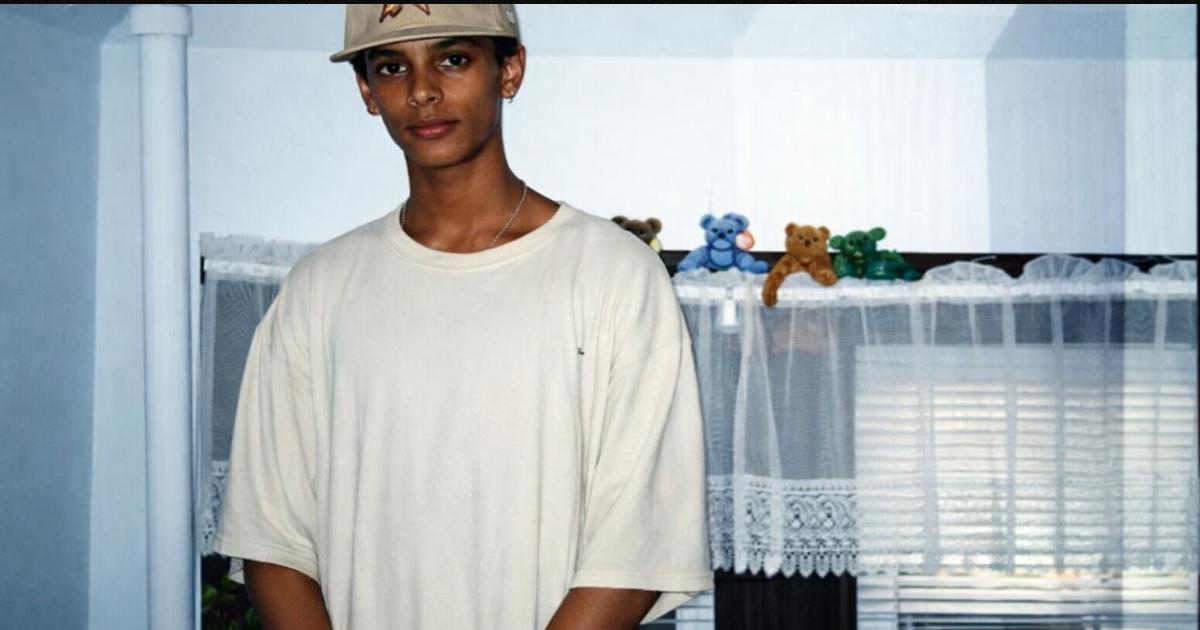
The jar was labeled. The brain was floating in formalin fluid inside a cabinet at the Richmond County Medical Examiner's Office on Staten Island. And the group of teenagers standing in front of it recognized the name on the label — because it belonged to their classmate, who had died in a car crash more than a year before.
Jesse Shipley was 17 years old when he was killed. His parents, Andre and Korisha Shipley, had consented to an autopsy, buried their son in a Roman Catholic cemetery, and were doing what grieving parents do. They had no idea that part of him had never been buried at all.
How His Classmates Found Out First
The students were members of a forensic science club at Port Richmond High School in Staten Island. The morgue visit was an educational field trip. When they came across the jar marked with Jesse's name, the group — which included Jesse's girlfriend and her best friend — left the building shaking. Student Samantha Feldman later told the New York Daily News that the kids were visibly upset when they walked out.
That phone call to Jesse's parents was how they learned the truth. Not from the medical examiner's office. Not from the city. From someone who had just seen their son's brain in a storage cabinet.
Why the Brain Was Still There
Richmond County medical examiner Dr. Stephen de Roux had removed Jesse's brain during the autopsy and placed it in a jar of formalin to be examined by a neuropathologist. In his deposition, Dr. de Roux explained that he typically waited until he had collected at least six brains before asking the neuropathological examiner to make the trip to Staten Island. Jesse's brain had been sitting in that cabinet, waiting to reach that threshold, for over a year.
The jar carried one more detail that shifted how the entire situation read: it was labeled "as a result of drunk driving." Jesse was not the driver. He was a passenger. And alcohol was not involved in the crash at all.
Judge Jenny Rivera, writing in dissent when the case reached New York's Court of Appeals, noted that the medical examiner had not even had a compelling medical reason to retain the brain for so long. He simply had not wanted to inconvenience the consulting doctor with a small sample size.
What the Family Went Through After
Once the Shipleys confirmed what had happened, they spoke with their priest, who told them that Jesse's burial had not been complete without his remaining parts. The Medical Examiner's Office returned Jesse's brain along with retained samples of several other organs, including parts of his liver and testes. The family buried those remains in a small casket alongside Jesse's body. Their attorney later said that handling those remains was the most traumatizing part of the entire experience for the family.
Jesse's sister Shannon, who was 14 at the time of the crash and had survived it, was so affected by the aftermath — including bullying and intense guilt — that she dropped out of school.
What the Courts Decided
The Shipley family sued the City of New York and the Medical Examiner's Office. At the Appellate Division, they won $1 million in damages. A midlevel court upheld the city's liability but reduced the award to $600,000. Then New York's Court of Appeals, divided 5-2, reversed that decision entirely and dismissed the family's claim, concluding that state law and burial rights do not require the return of body parts that can be legally removed during an autopsy.
The dissenting judges argued that the medical examiner had violated the family's right to burial solace and comfort. The majority disagreed. The Shipleys received nothing.