
truecrime
Framed by Police, 22 Years Lost: Jeffrey Clark's $24M Story
Kentucky man is framed by police for a satanic m*rder, wins $24.35 million, while the real k*ller walks free
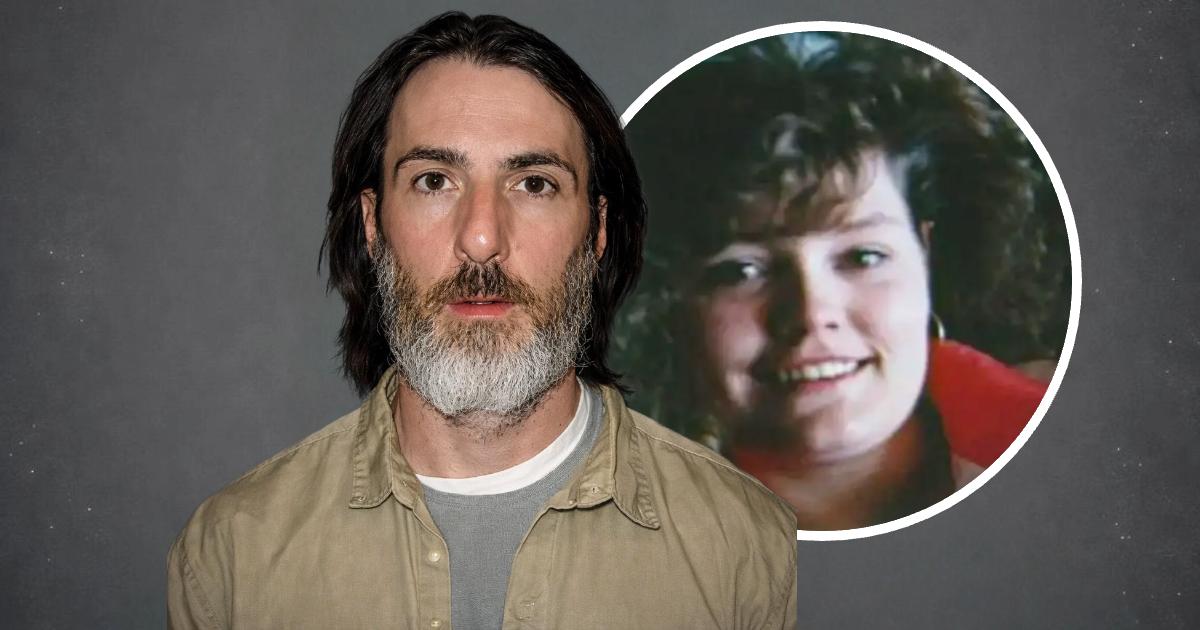
A detective took a bottle of white-out and changed the date of death on an official death certificate. That single alteration erased the alibis of two 21-year-olds and sent them to prison for a murder they did not commit. One of them, Jeffrey Clark, would not walk free for more than two decades.
In 1992, 19-year-old Rhonda Sue Warford was killed in Meade County, Kentucky. Clark and his co-defendant Keith Hardin were arrested and, in 1995, convicted of her murder. The prosecution's theory centered on Satanic ritual, a claim the Kentucky Innocence Project would later describe as having no credible evidentiary support whatsoever.
How the Case Was Built
The foundation of the prosecution rested on two key witnesses: Clifford Capps, a jailhouse informant, and Amy Remsberg, Clark's former girlfriend. What the jury never heard was that Sheriff Greer was aware Capps had a documented reputation for dishonesty and had lied in other criminal investigations. That information was withheld.
Detective Mark Handy, one of the lead investigators, is now a convicted felon. His convictions came in separate cases involving perjury and evidence tampering, a fact that reframes his role in building the case against Clark and Hardin in an entirely different light.
The most direct act of fabrication came through the death certificate itself. The original document listed the date of Warford's death as April 4-5. Both Clark and Hardin had verified alibis for those dates. An investigator named Adams used white-out to change that date to April 2, effectively nullifying the alibi evidence before it could ever become a serious obstacle at trial.
What the Evidence Actually Showed
Mitochondrial DNA testing conducted years later showed that hair recovered from the crime scene did not match either Clark or Hardin. Blood found on a piece of cloth was identified as human blood belonging to Hardin, which was consistent with his own account given at trial, not the prosecution's. The Satanic ritual theory, which had driven significant public attention toward the case, was described by the Kentucky Innocence Project as inaccurate and misleading, unsupported by any credible trial evidence.
Clark was released from prison in 2016. Governor Andy Beshear, then serving as Attorney General, dismissed all charges against him in 2018. By that point, Clark had spent more than 22 years incarcerated for a crime the evidence could not support.
The Verdicts and What Remains Unresolved
The financial reckoning came in stages. Louisville Metro agreed to pay $20.5 million to Clark and Hardin to settle their wrongful conviction lawsuits. Then, in a separate civil trial, a federal jury found Meade County and its officials liable on claims of withheld exculpatory evidence, fabrication of evidence, failure to intervene, and failure to train. That jury awarded Clark $24.35 million in compensatory damages and an additional $75,000 in punitive damages.
The detective at the center of the investigation, Mark Handy, had already been convicted in unrelated cases for the same categories of misconduct that defined the Clark prosecution: perjury and evidence tampering. His prior convictions were not the result of the Clark case specifically, but they confirmed a pattern that was already visible to anyone who looked closely at his record.
For Warford's family, no verdict changes what remains true. In 1995, a woman testified that a man named James Whitely had confessed to killing Warford. Authorities did not pursue that lead. Warford's murder is still officially unsolved. No one has ever been convicted of her killing. The case that sent two innocent men to prison for a combined span of decades closed with a financial judgment, but the question of who actually killed Rhonda Sue Warford remains open.