
mentalhealth
French Teen Woke from Coma as a Mother of Triplets
French teen wakes from a 3-week coma believing she spent 7 years raising children in an alternate life and now needs therapy to grieve them
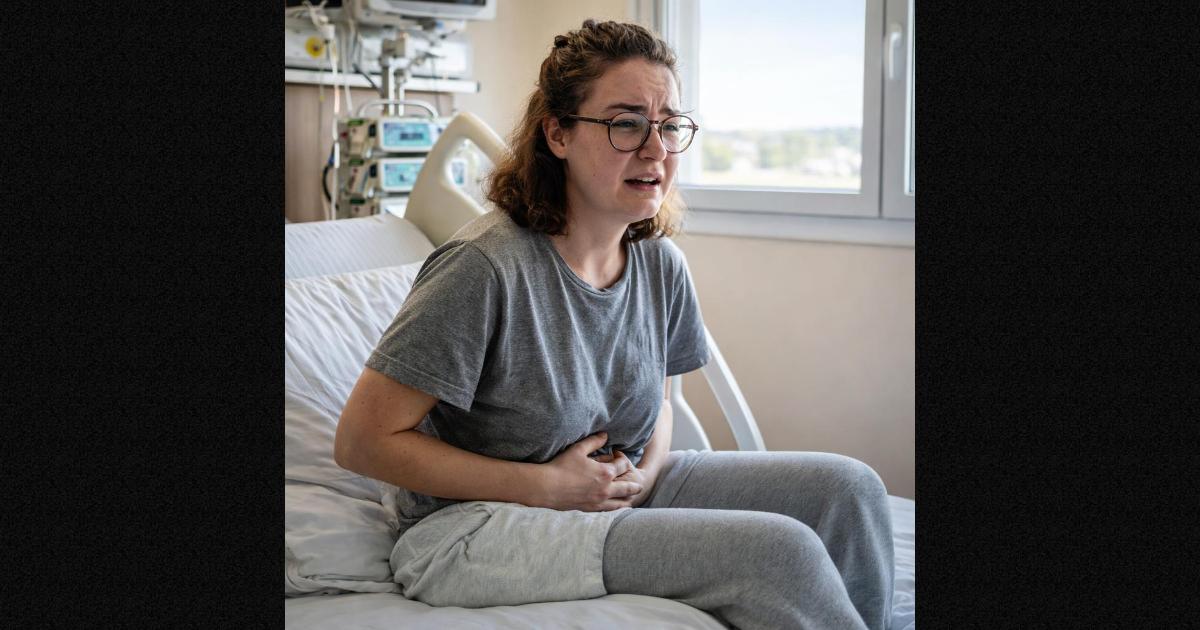
When Clélia Verdier opened her eyes after three weeks in a medically induced coma, the first thing she told her parents was that they were grandparents. She wasn't disoriented. She wasn't confused. She was a mother who had just lost her children, and she had no framework yet to explain why.
The 19-year-old from Lyon, France, had been placed in a coma following a serious suicide attempt in mid-2025. While her body lay sedated in a hospital bed for approximately three weeks, her mind constructed something far more elaborate than a dream. It built a life.
Seven Years in Three Weeks
In her coma, Clélia gave birth to triplets. She named them Mila, Miles, and Maïlée. One of her daughters, Maïlée, died shortly after birth, and Clélia experienced the full weight of that loss, including the guilt that followed. The remaining two daughters grew. She watched them grow. She remembers the walks they took together, the meals they shared, the bedtime stories she told them.
In real time, three weeks passed. In her mind, seven years did.
Medical experts have noted that this kind of experience is neurologically possible. Stephan Mayer, director of neurocritical care at Mount Sinai Health System, has explained that medically induced comas differ significantly from trauma-induced comas. The brain retains "glimpses of awareness" under heavy sedation, and those fragments can coalesce into coherent, emotionally complete narratives. Time perception distorts entirely. Weeks become years. The brain does not know the difference.
The Grief That Followed
Waking up was not a relief. Clélia returned to being 19, with no children, no years of motherhood behind her, and a disconnection from everyone around her that she has struggled to explain. The people in her life had not changed. She had, in every way that felt real to her.
"I lived as a mother," she said. "Even if it was just a dream, with everything I felt and experienced, I will always be their mother."
The grief she carries is not symbolic. It is the same architecture of loss that follows any parent who loses a child. Therapy has been part of her life since she woke up, and nearly a year later, she continues to work through what the experience left behind.
What She Told Her Parents First
The detail that reframes the entire story is the moment she regained consciousness. Before she asked where she was, before she processed what had happened to her, she looked at her parents and told them they were grandparents. It was not a confusion of waking up. It was the instinct of a mother reporting news she believed to be real. That moment, more than anything else, captures the full weight of what her mind had built and what waking up required her to lose.
She has said she hopes to have real children one day. "They will have a different place in my heart," she said, "but one just as important." Mila and Miles, the daughters who only existed inside three weeks of sedation, are not replaceable to her. They are simply the first.
It is worth noting that much of what is known about Clélia's experience originates from her own social media posts and online discussions, and has not been independently verified through established medical or journalistic documentation. What is documented is her account, told in her own words, and the response of medical professionals who confirm that the neuroscience behind it is entirely plausible.