
healthcare
Seattle Children's Helipad Blocked by Wealthy Neighbors
A medical helicopter carrying sick children isn't allowed to land because a wealthy neighborhood complained about the noise
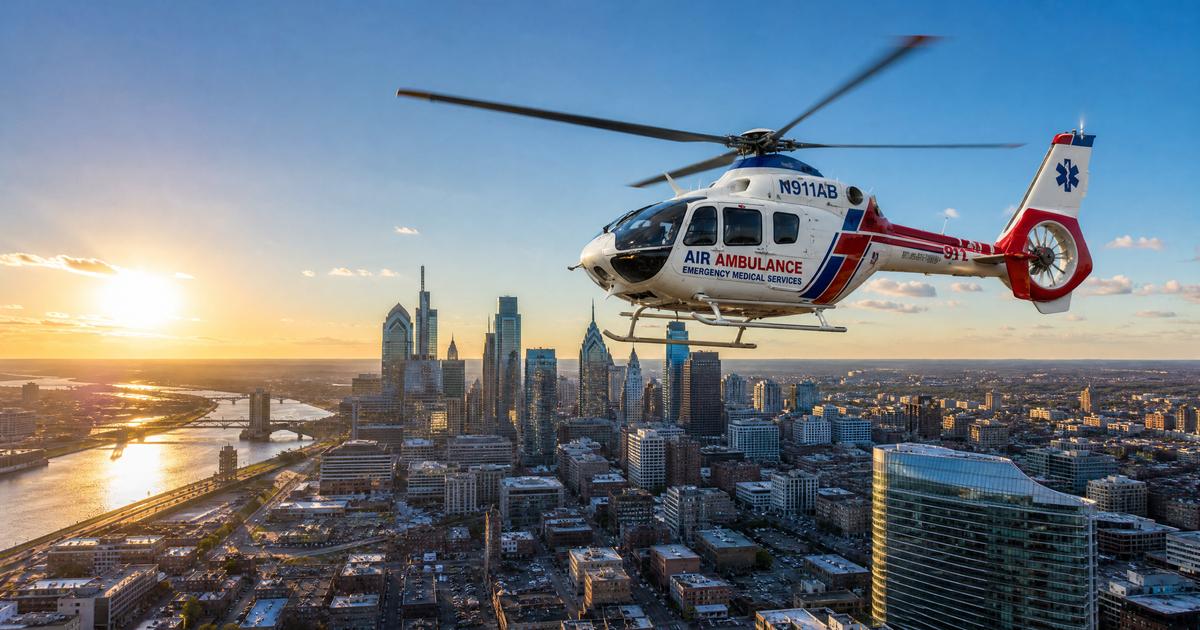
A pilot who has flown at least fifty air transport missions to Seattle Children's Hospital in Seattle says he has been allowed to land on the hospital's campus just twice. The other times, he diverted to a helipad at the University of Washington, a full mile away, and the children in his care finished their journey by ambulance.
That detail, shared publicly on X, sits at the center of a growing dispute that has put one of the most respected pediatric hospitals in the country at odds with the neighborhood surrounding it.
Three Flights a Week, Almost All to the ICU
Seattle Children's receives three or fewer helicopter transports per week. The hospital has stated that nearly all of those patients are admitted directly to an intensive care unit upon arrival. The flights are not routine transfers. They are the kind of calls that happen when a child needs the highest level of care available and needs it fast.
The helipad now in use sits atop the hospital's Forest B building, a location established in November 2022. Getting that helipad approved at all took years. According to HistoryLink, the Seattle City Council first approved a helipad at Children's in September 1992, after eight years of conditional use review and a full environmental impact statement.
The Laurelhurst Compromise
Laurelhurst, the neighborhood directly surrounding the hospital, is one of the wealthiest areas in Seattle. Residents there have long pushed back against the noise generated by incoming medevac flights. As part of a compromise reached with the community, most helicopter transports were redirected to a marked and lighted helipad at Graves Field on the University of Washington campus, roughly a mile from the hospital, unless special circumstances required a direct landing.
The Laurelhurst Community Council maintained that the arrangement was a legal agreement between the hospital and the City of Seattle. In a statement, the council noted they had not been directly contacted regarding concerns with the current terms of that agreement. A council member had previously called for a medical justification form to be filed for each individual flight, citing a broken leg as an example of a transport that may not have warranted a direct landing.
Colleen McAleer, who served as President of the Laurelhurst Community Council, stated that helicopters were louder since they began landing on top of the building and suggested that some pilots may not have been trained on the correct procedures for how airlifts were supposed to arrive.
What the Extra Mile Costs
When aircraft divert to the off-campus helipad, crews complete what medical staff describe as the "last mile" by ambulance. Hospital staff have been direct in stating that this additional transfer step creates risk for patients who are already in critical condition. The time, the movement, and the transition between modes of transport all carry consequences when the patient is a child on the way to an intensive care unit.
Jade Villano knows Seattle Children's the way most people never want to. Her youngest daughter, Dolly, spent 89 days in the hospital's neonatal intensive care unit with a hole in her heart. Villano has spoken about what the hospital means to families in the region and what access to its care at the most critical moments actually looks like from the inside.
The Response
Seattle Children's has stated publicly that it wants to revisit the policy governing helicopter landings. A Change.org petition calling for restored helipad access has gathered more than 2,800 signatures. A community protest was organized at the corner of Sand Point Way and NE 45th St, drawing attention to a policy that most people living outside Laurelhurst had never heard of.
The pilot who posted on X said Sunday morning was the second time in more than fifty transports that he had been cleared to land directly on campus. The other forty-eight or more times, a critically ill child rode the last mile by ambulance.