
relationships
Surgeon Donated His Kidney to His Wife. Then She Filed for Divorce.
Man who donated his kidney to his wife now wants it back during their divorce
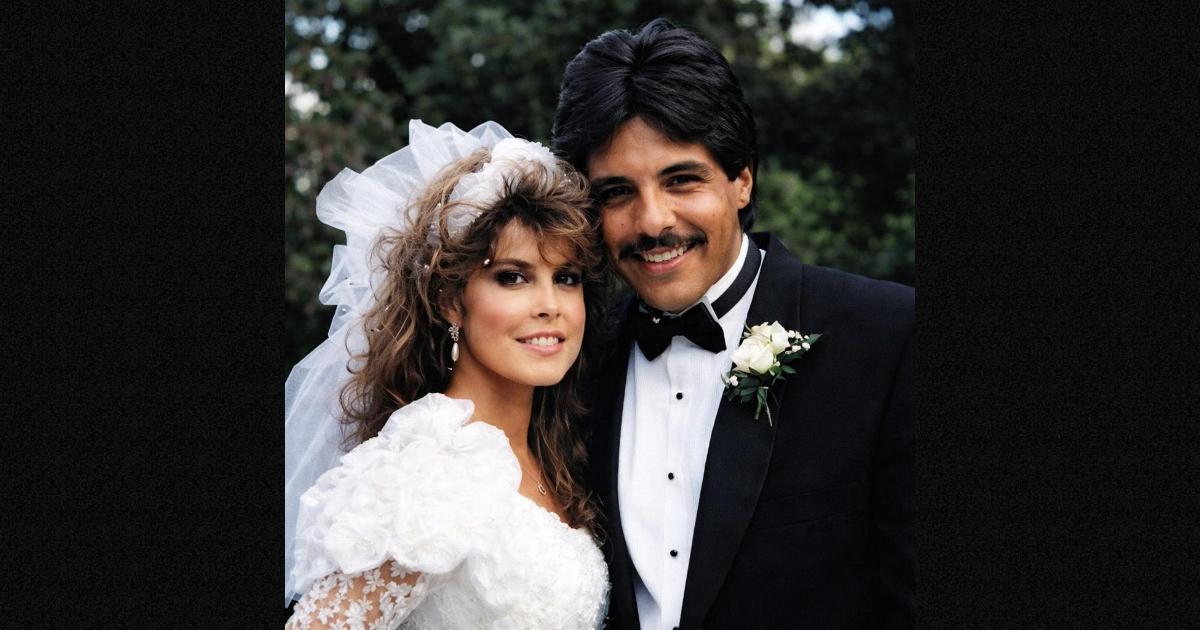
Dr. Richard Batista and his wife Dawnell were a 1-in-700,000 biological match. That number is not a metaphor — it is the actual statistical probability that any two people share the specific tissue compatibility required for a successful living-donor kidney transplant. When doctors ran the numbers, that match was rare enough to move Dawnell ahead of 6,748 other people on New York State's kidney transplant waiting list.
Richard was a surgeon at Nassau University Medical Center on Long Island. He knew exactly what he was doing when he made the decision. In June 2001, he donated one of his kidneys to his wife.
Two Failed Transplants Before His
Dawnell's body had already rejected two donated kidneys before Richard stepped forward. The first came from her father. The second came from her brother. Both failed. By the time Richard was identified as a compatible match, she had been through more than most people will ever face in a lifetime of medical care.
Richard later said he donated the kidney for two reasons: to save her life, and to save their marriage. The surgery worked. Dawnell recovered. The marriage continued — for a while.
The Divorce, the Demand, and the Courtroom
In July 2005, four years after the transplant, Dawnell filed for divorce. Richard claimed that she had begun an extramarital affair roughly 18 months to two years after receiving his kidney. He also stated that he had been prevented from seeing their three children, ages 8, 11, and 14, for months at a time. The couple lived in a million-dollar home in Massapequa, New York.
Richard's response to the divorce filing was unlike anything the Nassau County court system had encountered before. He demanded that Dawnell either return the kidney or pay him $1.5 million in compensation. A divorce lawyer with more than 40 years of experience in the field told NBC News that he had never heard such a demand in his entire career. His assessment was direct: "It's not marital property, not a marital asset you can put a price tag on."
What the Courts Actually Said — and What It Almost Cost Him
The Nassau County Supreme Court rejected Richard's request without ambiguity. A matrimonial referee ruled that the kidney was a gift, donated in 2001 during what the court described as happier times in the marriage. Donated organs, the court confirmed, do not qualify as marital property under any definition recognized by law.
But the court did not stop there. The ruling went further than simply denying his claim — it warned Richard that his demand for $1.5 million in exchange for the donated organ ran directly against public policy and could expose him to criminal prosecution. The National Organ Transplant Act of 1984 is explicit on this point: a living organ donation is legally a gift and cannot be exchanged for any form of valuable consideration. Attempting to collect money for an organ he had already donated did not just fail as a legal argument. According to the court, it came close to crossing into criminal territory.
Richard Batista told reporters he had no regrets about donating the kidney. His only regret, he said, was the marriage itself.