
health
Teen Dies From Caffeine: The Alani Nu Lawsuit Explained
A teenager who drank one energy drink a day d*es, and her family is demanding one million dollars. Should they get the money?
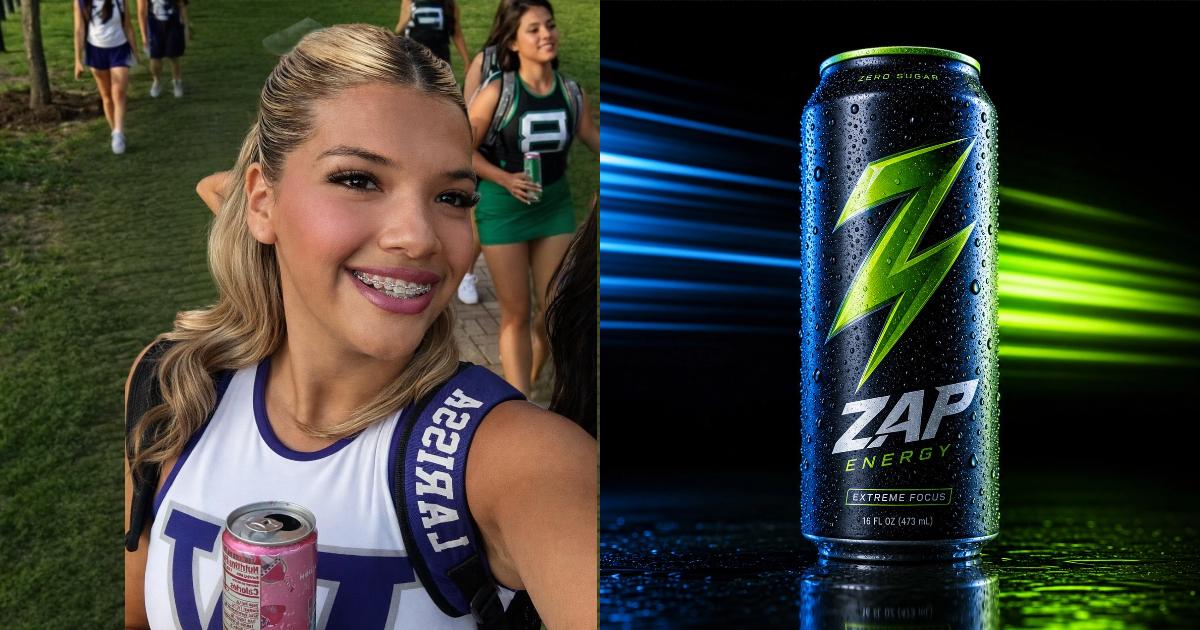
Larissa Nicole Rodriguez had been accepted into nearly 20 universities, was serving as student council president, and had plans to attend the University of Texas and become a lawyer. She was 17 years old and living in Weslaco, Texas. She also had a habit that seemed ordinary enough: she drank at least one Alani Nu energy drink every day.
Each can of Alani Nu contains 200 milligrams of caffeine in 12 fluid ounces. The FDA recommends that teenagers between the ages of 12 and 17 consume less than 100 milligrams of caffeine per day in total. Larissa was drinking double that amount daily, from a single can, at minimum.
She died in October 2025. The Hidalgo County Medical Examiner determined her cause of death was cardiomyopathy caused by excessive caffeine consumption. Her family's attorney confirmed she had no pre-existing heart problems. According to that attorney, the only substance found in her system at the time of her death was caffeine.
How Central Alani Nu Had Become to Her Life
Alani Nu had woven itself into the everyday fabric of Larissa's life in a way that felt completely normal to those around her. She bought her drinks regularly at an H-E-B grocery store in Hidalgo County. The brand had become so associated with her identity that when a classmate asked her to homecoming, the invitation was built around it. The note read: "Hope you have the energy to go to homecoming with me."
Her mother, Alicia Rodriguez, has spoken publicly about the loss. "This is the hardest thing that I've ever gone through in my life," she said after her daughter's death.
What the Can Did Not Say
At the center of the legal argument is what was missing from the label. According to the lawsuit, Alani Nu energy drinks carry no maximum daily consumption limit, no warning that drinking multiple cans could be dangerous, and no prominent notice that the product is not intended for minors. For a product delivering twice the recommended daily caffeine limit for teenagers in a single serving, the label offered no guidance suggesting that was a concern.
This is not the first time Alani Nu's labeling has come under scrutiny. The Canadian government issued a recall of the product, citing noncompliances related to caffeine content and labeling. That recall happened before Larissa's death.
The Lawsuit and Who Is Actually Being Sued
Larissa's parents filed a wrongful death lawsuit in Hidalgo County seeking damages of more than one million dollars. The defendants named in the suit are Glazer's Beer and Beverage and Glazer's Beer and Beverage of Texas, the distributors who supplied the product to the store where Larissa bought it.
Here is the detail that changes the shape of the entire case: Alani Nu itself, and its current owner Celsius Holdings Inc., which acquired the company, are not named as defendants in the lawsuit. The legal action targets the distribution chain, not the brand whose name was on every can Larissa drank. That decision, made by the family's attorney, means the company that formulated the product, set the caffeine levels, and designed the label is not a party to the proceedings as filed.
The case remains active. The Rodriguez family's attorney has described their pursuit as advocacy, a word Larissa's mother has also used. She was a cheerleader, an honors student, and a teenager who had her pick of colleges. She drank a product sold openly at a grocery store, with no warning on the label that it could hurt her. The medical examiner said it did.