
aviation
The Bomber Who Switched Seats and Fell Out of the Sky
A TERR*RIST switched seats WITH ANOTHER passenger to sit by the window for maximum damage. The blast blew him out of the plane. Everyone else survived
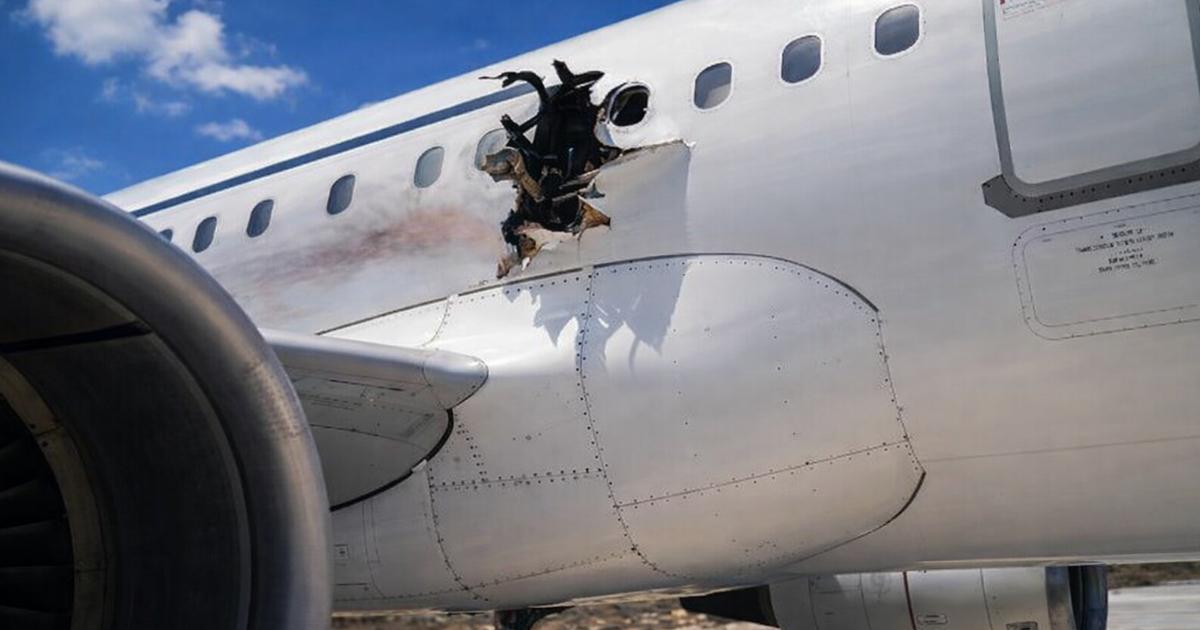
Twenty minutes after takeoff from Mogadishu, a hole opened in the side of Daallo Airlines Flight 159. One person was pulled through it. The remaining 74 passengers and crew flew on and landed safely.
The man who went through that hole had planned it carefully. Before the flight, he asked another passenger to swap seats, moving that person from the window to the aisle. He took the window seat himself, near the forward wing root, directly above the fuel tanks. Investigators later confirmed the placement was deliberate — designed to trigger a secondary explosion in the fuel system if the device detonated at cruising altitude.
Why the Plane Survived
The flight had been delayed by 20 minutes before departure. That delay likely saved everyone on board. The bomb was fitted with a timer, and by the time it went off, the aircraft was still climbing — sitting at around 14,000 feet instead of its intended cruising altitude. At cruising altitude, with the fuel tanks full and pressurization at its peak, investigators believe the outcome would have been catastrophically different.
Instead, the blast punched a hole in the fuselage. The bomber, Abdullahi Abdisalam Borleh, was expelled through it. His body was recovered on the ground near Mogadishu. Two other passengers sustained minor injuries. The Serbian captain, Vlatko Vodopivec, brought the aircraft back and landed it without further incident.
How the Bomb Got Onboard
The device was built into a laptop computer. It passed through X-ray screening at Mogadishu's airport without being flagged. Surveillance footage later released by authorities showed two airport workers placing the laptop on the X-ray belt themselves and then handing it directly to Borleh in the departure lounge. The explosive material used was military-grade TNT.
Captain Vodopivec had previously raised concerns about security at the airport, telling reporters that when the aircraft was parked, 20 to 30 people would walk onto the tarmac with no badges, no identification, and no oversight. "They enter and leave the aircraft," he said, "and no one knows who is who. They can put anything inside."
Who Borleh Was — and Who Knew
Borleh was known in his community as a teacher at an Islamic school. People who knew him described him as unremarkable. A Somali federal official later acknowledged that security agents had monitored him at some point, but said: "We had never considered him to be dangerous."
Al-Shabaab claimed responsibility for the attack shortly after, saying it was aimed at Turkish Airlines because Turkey, as a NATO member, supported Western operations in Somalia. The flight had been operated on behalf of Turkish Airlines under a codeshare arrangement.
A Somali military court convicted ten people in connection with the plot. Two men found guilty of organizing it and of membership in al-Shabaab were sentenced to life in prison.
What Changed After
The attack became a turning point for aviation security policy. The following year, the United States banned laptops from cabin luggage on flights departing from ten airports across the Middle East and North Africa. Britain introduced similar restrictions shortly after.
Daallo Airlines kept flying to Somalia. Its CEO said the airline had operated there for 25 years and that its commitment to keeping Somalia connected to the rest of the world would not change.