
grief
The Doll Moms Who Grieve Through Reborn Babies
After losing her baby, a woman became a 'doll mom', raising lifelike babies as if they were still alive
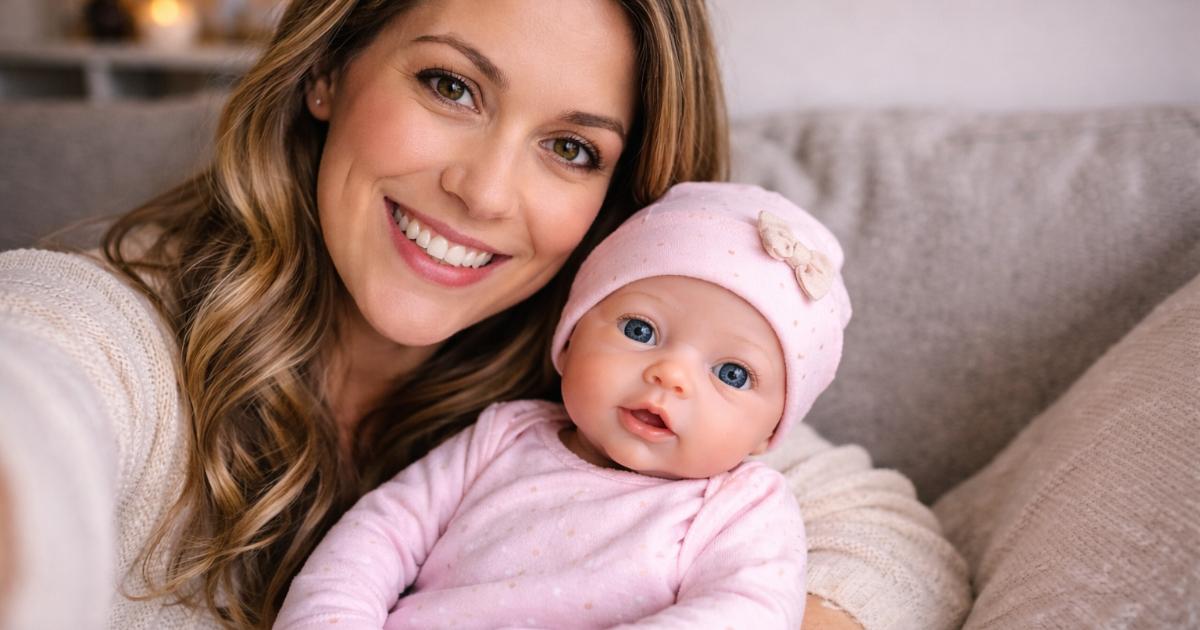
Police have been called to parked cars because passersby were certain they saw a real infant left alone inside. Every time, it was a reborn doll. That detail alone tells you how far this world goes.
Christina Keeler from Pennsylvania spent years being told she could not have children. Endometriosis had made conception seem impossible. Then she and her husband Bill found out she was pregnant. Then they lost the baby.
What came next surprised even the people closest to her. Christina became a doll mom.
What Reborn Dolls Actually Are
Reborn dolls are not toys in the traditional sense. They are weighted, silicone or vinyl figurines sculpted and hand-painted to replicate the look and feel of real newborns and toddlers. Artists add details like skin texture, birthmarks, and carefully rendered facial expressions. Some come with battery-operated mechanisms that simulate breathing. Some are scented to smell like babies.
The craft began in the United States in the late 1990s, growing out of a tradition of collectors restoring vintage dolls. When the internet expanded, so did the community. What had been a quiet, private practice became a global network of artisans and collectors who called their creations reborns.
Why Women Turn to Them After Loss
Christina owns four reborn dolls: Isabella, known as Izzy Sage; Isaiah Scott; Lennon, known as Lenny Levi; and Princess. She dresses them, takes them out in public, and has built her daily life around their care. Her husband and their two daughters participate. Strangers on the street have stopped to admire what they believed were real infants.
She is not alone. Toni Daly, a UK woman who suffered a traumatic miscarriage, bought her first reborn doll for around 150 pounds after her loss. She named him Ben. She said it helped relieve her anxiety and depression. She eventually bought five more. The total cost exceeded one thousand dollars. When she shared her story online, strangers told her she was crazy and that she was taking something away from real parents. The harassment became severe enough that she stepped away from social media entirely.
Lisa Robertson, 37, from Aberdeen, Scotland, owns seven reborn dolls and says they changed her life. She runs a Facebook group called Reborn Parent Roleplay with more than 2,000 members, most of them women. The group receives around eight new membership requests every day. Robertson enforces strict rules: no one under 16, and no storylines involving harm or severe illness to the dolls.
What Psychologists and Psychiatrists Say
Psychologist David J. Diamond, cofounder of the Center for Reproductive Psychology, supports the use of reborn dolls to help people process grief and ease the pain of letting go. One woman who held a reborn doll described feeling incredibly calm. Research suggests that holding or cuddling objects that mimic infants can trigger the release of oxytocin, the hormone associated with relaxation and bonding.
Psychiatrist Gail Saltz supports the use of reborn dolls as a comfort tool for bereaved parents, describing the behavior as a potential step in the grieving process. Psychiatrist Sue Varma at NYU draws a line when the dolls become a person's only form of socializing, or when they stop functioning as a symbol and start functioning as a replacement for reality.
The Cost of Doing It Anyway
For Christina Keeler, the public acceptance has never come. Her in-laws disapprove completely. Her wider circle of friends and family has never embraced it. She described the silence around it as the big elephant in the room that everyone pretends is not there.
She continues anyway. The dolls have names. They have wardrobes. They go outside. And on the street, where no one knows the backstory, people stop and smile at what they believe are sleeping babies riding past in a stroller.