
criminaljustice
Tiffany Woods Denied Parole After Katrina Infant Death
Mom, whose baby d*ed after being fed cow's milk after running out of formula during Hurricane Katrina, is denied parole 18 years later
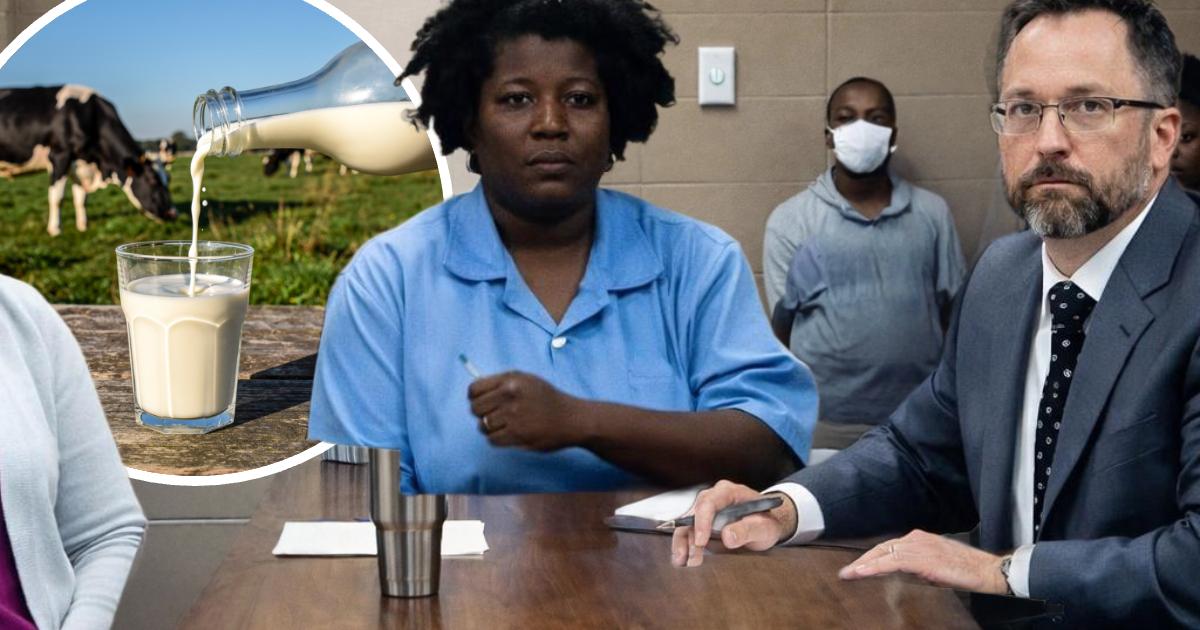
Emmanuel Woods was born premature, weighing just three pounds, and tested positive shortly after birth for a metabolic deficiency that prevented his body from breaking down certain fats. The condition made his blood sugar dangerously unstable and significantly increased his risk of sudden death. His mother, Tiffany Woods, knew her son was fragile. What she did not know, during the worst natural disaster in New Orleans history, would cost her everything.
What Happened During the Evacuation
When Hurricane Katrina struck in 2005, Woods and her partner fled New Orleans with their children, cycling through emergency shelters in Shreveport — first a sports arena, then a motel, before eventually settling into a rented house. Like thousands of displaced families, they were surviving on government vouchers for basic supplies. When those vouchers ran out in late October, they were out of baby formula and out of options.
Woods switched Emmanuel to organic cow's milk. Pediatricians broadly advise against giving cow's milk to infants under one year old, but Woods later told the parole board, "I didn't know what to do. I made the devastating decision to change my child's milk." Emmanuel died from malnutrition.
Under Louisiana law, cruelty to a juvenile is one of the felonies that can support a murder conviction in an accidental death. Prosecutors did not need to prove intent. They needed only to prove negligence. In 2008, Woods was convicted of second-degree murder and received an automatic life sentence.
The Detail That Changes the Weight of This Case
Emmanuel's pre-existing metabolic condition is the detail that reframes everything. He was born with a deficiency that made his body unable to process certain fats and kept his blood sugar critically low. That condition, identified at birth, meant he was already at elevated risk of sudden death before the storm, before the evacuation, and before the decision about milk was ever made. His vulnerability was documented. His mother was not the only variable in what happened to him.
This context was present throughout the legal proceedings but did not change the outcome at trial. Woods was convicted and began serving a life sentence. It was not until former Governor John Bel Edwards commuted her sentence to 36 years in 2023 that release became a legal possibility at all.
Eighteen Years In, One Vote Against
By the time Woods appeared before the Louisiana parole board, she had spent 18 years incarcerated with no disciplinary record. She had completed seminary training. She had earned paralegal certification through the Blackstone Career Education program. She counseled and mentored other incarcerated women. Two of the three board members voted to grant her parole, which would have resulted in her release in September.
The third member, Carolyn Stapleton, voted no. Stapleton acknowledged Woods' record directly, saying, "You've done remarkable, wonderful things." Then she cited the condition of the child and the circumstances described by the district attorney's office as her reason for denying release.
Her four living children had come to support her. One of them, calling in from California, told the board, "It is my belief that we all need her — her children." Another child, Nie'John Woods, who was around eight years old when Emmanuel died, told the board he remembered watching his mother perform CPR on the baby while on the phone with a dispatcher — a detail he said the court record did not reflect.
Where Things Stand Now
The single dissenting vote was enough to deny parole under Louisiana rules. Woods is now required to wait five years before she can reapply. With credit for good behavior, she is currently scheduled for release without parole in approximately ten years. She remains incarcerated.